
ქედა
აჭარა
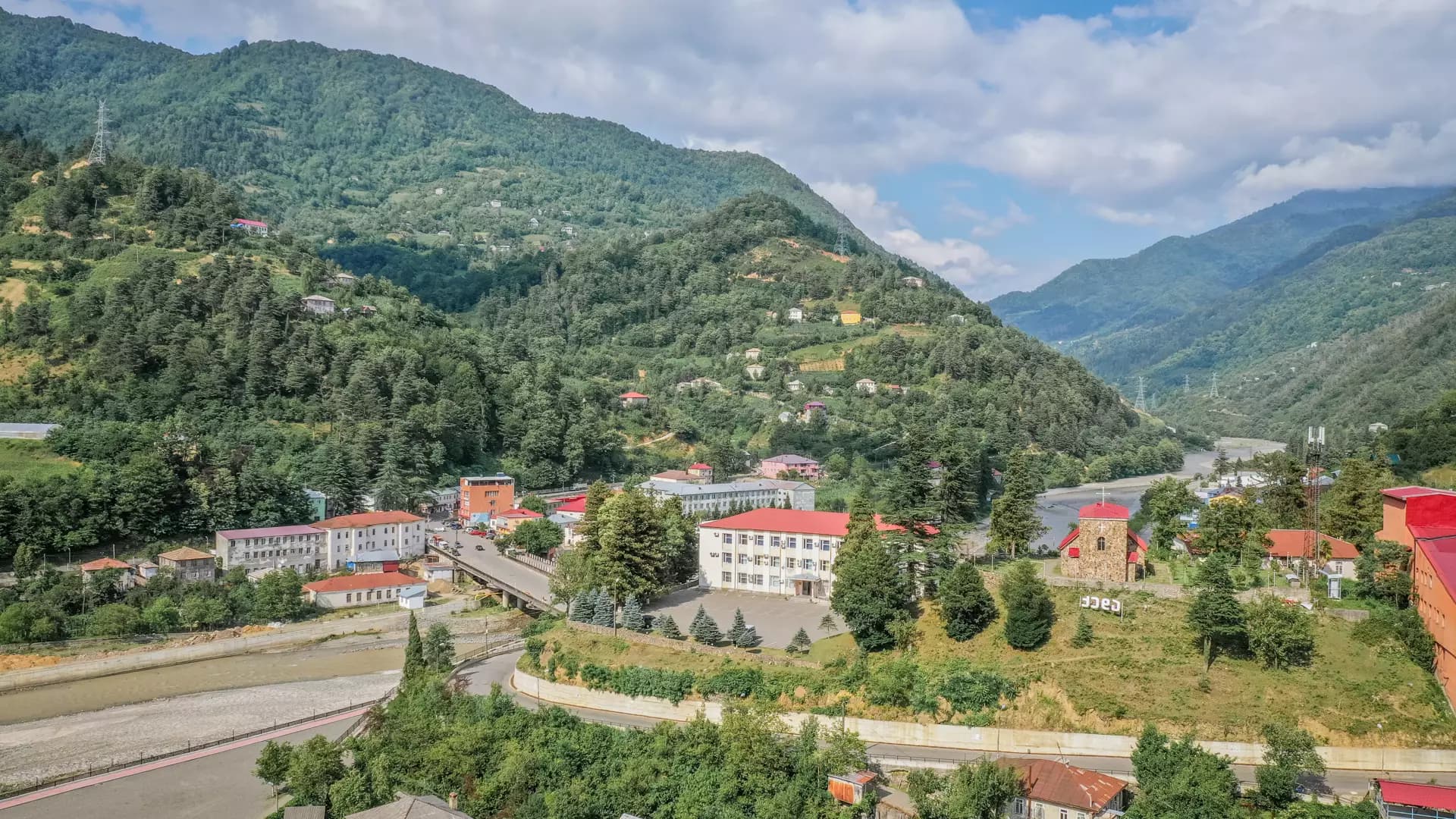
Keda is one of Adjara's most distinctive municipalities, where nature, history, wine culture, and ancient traditions come together to create a truly unique experience. It is a place where travellers discover not only breathtaking landscapes but also the stories and people who have shaped the identity of this region over centuries.
The character of Keda has been formed through the deep connection between mountains, rivers, and local communities. Within the municipality, two important rivers Adjaristskali and Chorokhi meet, creating a place of both geographical and historical significance. Throughout history, such fertile landscapes provided favourable conditions for settlement, agriculture, and the development of viticulture.
Keda is particularly renowned for its ancient winemaking traditions. The region's unique climate influenced by both the Black Sea and the mountains, with a humid environment and fertile soils has created ideal conditions for grape cultivation and wine production for centuries. Here, wine is not simply a beverage; it is a part of family heritage, hospitality, and local identity.
Today, Keda is home to numerous family wineries and modern châteaux, where visitors can experience the local wine culture, taste traditionally produced wines, and hear the stories of the people who continue this centuries-old tradition.
One of Keda's most remarkable historical landmarks is the Makhuntseti Arch Bridge. Dating back to the medieval period, this stone bridge represents an outstanding example of Georgian engineering and craftsmanship. For centuries, it served local communities and travellers, reminding visitors of the time when the mountain routes of Adjara played an important role in trade and communication.
Nearby lies the Makhuntseti Waterfall, one of Keda's most famous natural attractions. The impressive waterfall, surrounded by lush greenery and the sound of mountain waters, creates a unique atmosphere where natural beauty and historical heritage come together.
Another important symbol of Keda's past is Gulebi Fortress, a medieval defensive structure that reflects the strategic importance of the region throughout history. Such fortifications played a significant role in protecting settlements and controlling important routes. Today, the fortress offers visitors a chance to connect with Adjara's historical heritage while enjoying magnificent mountain views.
The cultural richness of Keda extends far beyond its historical monuments - it continues to live through local traditions. Folklore remains an essential part of everyday life here. In many families, Georgian polyphonic singing has been passed down through generations, giving visitors the rare opportunity to experience authentic examples of Georgian musical heritage in a traditional family setting, around a genuine Adjara feast.
Keda also preserves unique traditional craftsmanship. In the village of Gogotauri lives Murad Tavartkiladze, a renowned master of the Chiboni (traditional Georgian bagpipe), who continues the art of crafting this unique instrument and preserving the cultural tradition connected to it.
The Merisi Valley offers another unforgettable experience, combining the natural beauty of Adjara with eco-houses, châteaux, and family wineries. It is an ideal destination for those seeking peaceful relaxation, a closer connection with nature, and an authentic introduction to Georgian rural life.
Travelling through Keda is an opportunity to discover a part of Adjara where historical monuments, wine traditions, Georgian polyphony, and exceptional hospitality become one unforgettable experience.
Keda the heart of Adjara's wine, culture, and history, where every vineyard, every song, and every stone structure tells a story of generations.
აჭარა-ზე დაბრუნება